Virgil Abloh, Westside Gunn, and Peter Saville
26 April 2026
I recently spent some time looking into the work of Peter Saville—especially his vinyl covers for New Order/Joy Division. I had come across his work before, but not directly. The first time I really noticed it was through Raf Simons’ early collections in the 2000s, where a lot of the graphics felt distinct but hard to place. I saw the same graphics when looking at Jun Takahashi's AW 2009 "Earmuff Maniac" Undercover collection. Looking back, these were my introduction to Saville’s visual language.
Recently, what drew me back to Peter Saville was how often Virgil Abloh referenced Saville as a mentor. It made me think less about influence in a surface-level sense, and more about how a way of thinking gets passed down.
It felt postmodern in approach. Both Peter and Virgil approached design communication as a recontextualization of existing intellectual property. When used correctly, graphics can self-reference and give new meaning in different settings.
Saville did this through record sleeves, pulling from archives, science journals, classical art, and placing those references into a completely different cultural context, being the post-punk movement. It wasn’t about creating something entirely new from scratch, but about framing existing material in a way that made people look at it differently.
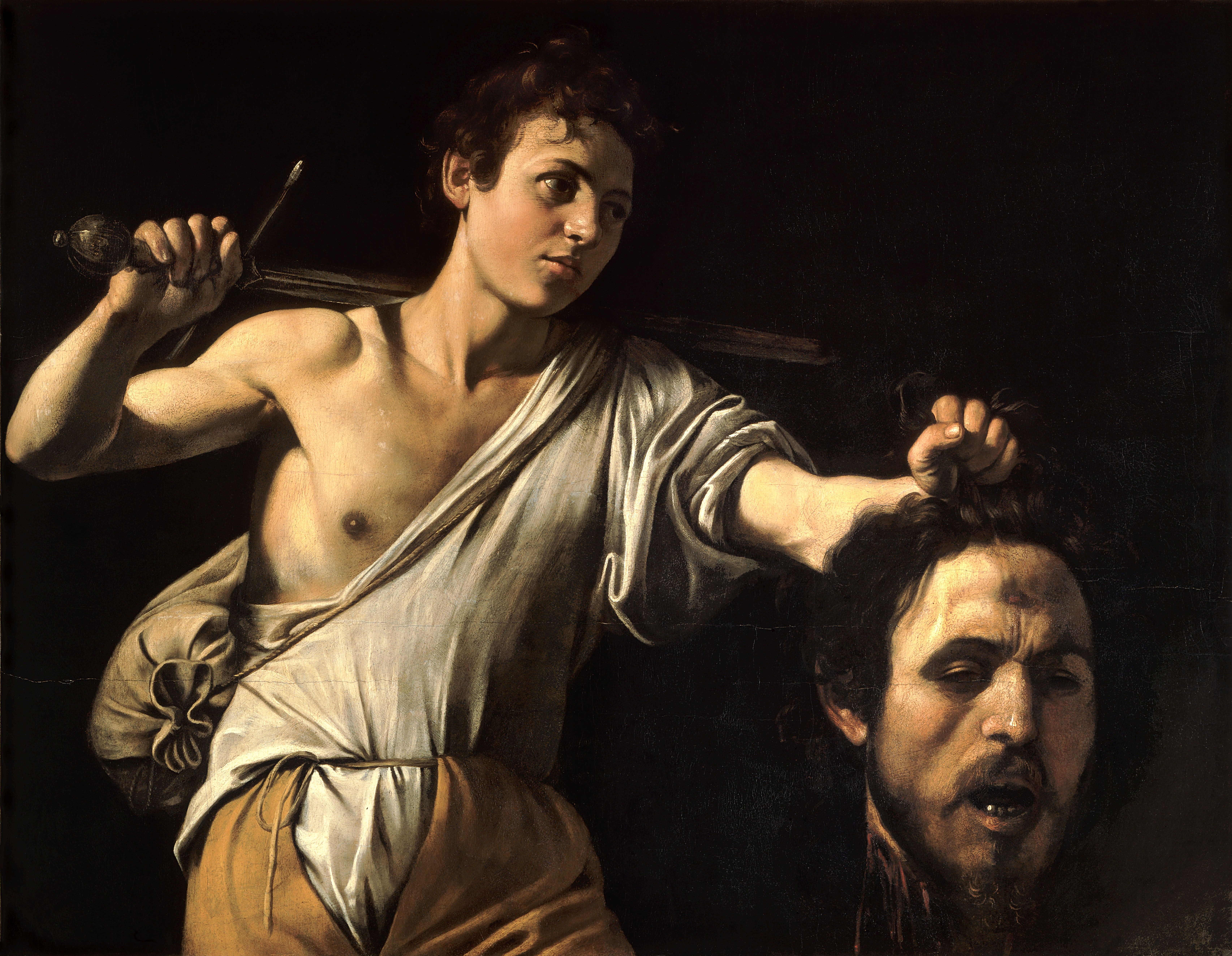
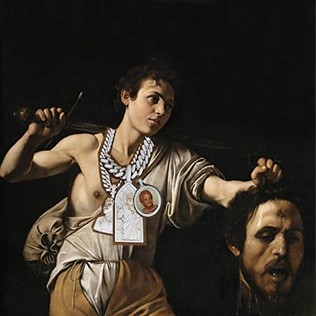
I think you can see a similar approach in Virgil’s work, especially in his cover for Pray for Paris by Westside Gunn. The cover uses a classical painting, but it doesn’t feel like a reference for the sake of aesthetics. It feels intentional—like the image is being repositioned into a new cultural conversation.
I don’t think it’s a direct imitation of Saville, but more of a shared approach. Both seem interested in how meaning changes when you move something from one context to another. In that sense, the connection between them is both visual and conceptual.
And that’s what made the connection click for me. It’s less about tracing influence from one designer to another, and more about recognizing a perspective that taste-makers carry across music, fashion, and design. I have more to say about the post-modern way of social commentary in design, and how that is evolving, but I'm saving that for another blog post. Any body else see this? Thoughts?
I recently spent some time looking into the work of Peter Saville—especially his vinyl covers for New Order/Joy Division. I had come across his work before, but not directly. The first time I really noticed it was through Raf Simons’ early collections in the 2000s, where a lot of the graphics felt distinct but hard to place. I saw the same graphics when looking at Jun Takahashi's AW 2009 "Earmuff Maniac" Undercover collection. Looking back, these were my introduction to Saville’s visual language.
Recently, what stood out to me, wasn’t just the work itself, but how often Virgil Abloh referenced Saville as a mentor. It made me think less about influence in a surface-level sense, and more about how a way of thinking gets passed down.
It felt postmodern in approach. Both Peter and Virgil approached design communication as a recontextualization of existing intellectual property. When used correctly, graphics can self-reference and give new meaning in different settings.
Saville did this through record sleeves, pulling from archives, science journals, classical art, and placing those references into a completely different cultural context, being the post-punk movement. It wasn’t about creating something entirely new from scratch, but about framing existing material in a way that made people look at it differently.
I think you can see a similar approach in Virgil’s work, especially in his cover for Pray for Paris by Westside Gunn. The cover uses a classical painting, but it doesn’t feel like a reference for the sake of aesthetics. It feels intentional—like the image is being repositioned into a new cultural conversation.
I don’t think it’s a direct imitation of Saville, but more of a shared approach. Both seem interested in how meaning changes when you move something from one context to another. In that sense, the connection between them is both visual and conceptual.
`
And that’s what made the connection click for me. It’s less about tracing influence from one designer to another, and more about recognizing a perspective that taste-makers carry across music, fashion, and design. I have more to say about the post-modern way of social commentary in design, and how that is evolving, but I'm saving that for another blog post. Any body else see this? Thoughts?
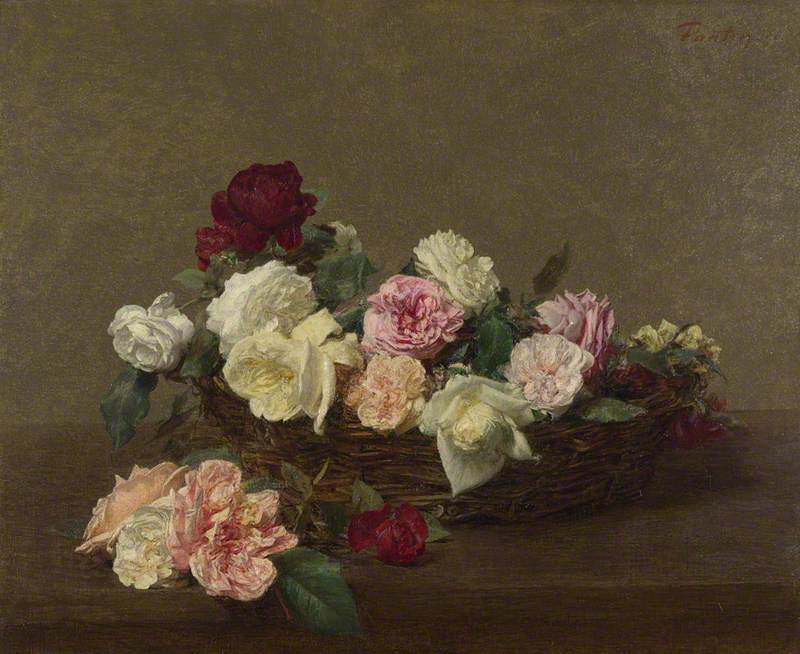
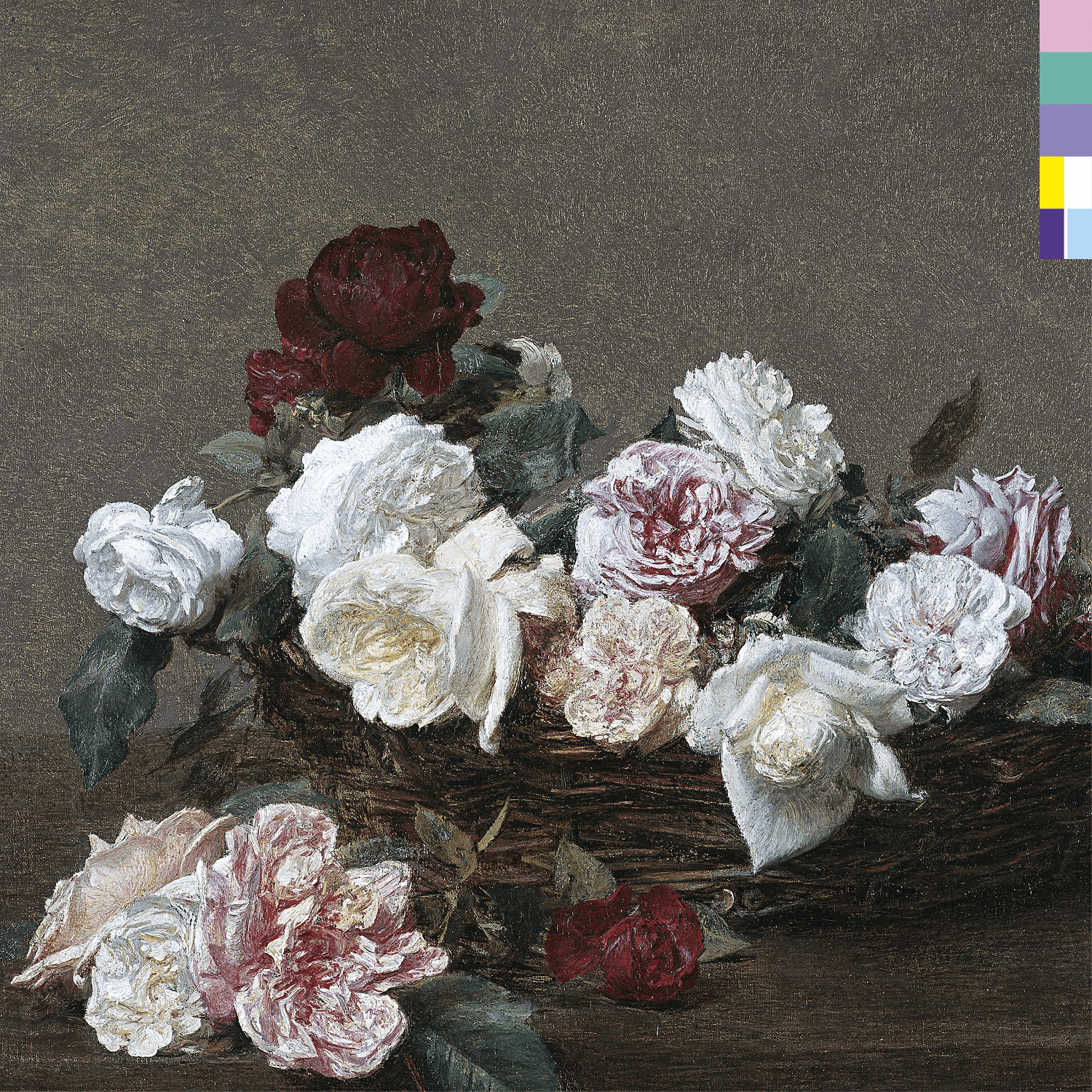
"A Basket of Roses" by French artist Henri Fantin-Latour used by Peter Saville with a color-swatch for New Order's Album "Power, Corruption, and Lies"
Caravaggio's painting of "David with the Head of Goliath" is altered for Westside Gunn's "Pray for Paris" album cover
Caravaggio's painting of "David with the Head of Goliath" is altered by Virgil Abloh for Westside Gunn's "Pray for Paris" album cover
"A Basket of Roses" by French artist Henri Fantin-Latour used by Peter Saville with a color-swatch for New Order's Album "Power, Corruption, and Lies"
If you’re wondering why an engineer is writing about Peter Saville, Virgil Abloh, and art, it's for three reasons:
1) I’m trying to understand the broader scope.
2) I’m building my communication skills.
3) I’m entering the feedback loop.
If you’re still confused, read my full post on why I’m writing a blog.