
Personal Mentors and Futher Inspiration
5 April 2026
My perspective is that life is like a really big game of fill-in-the-blanks. You never truly get the full picture, but you have to keep filling in one gap at a time. In this journey of filling in my Mad Libs book, I find some people who've already filled in some pages. Below are some of my personal mentors, and some I've learned from virtually.
Pam Silverstein
One day, after I began 3D printing face shields during COVID, I received a check in the mail from my dad's friend, Pam. She had heard about my production line and sent money as support. Alongside the check was a note asking if she could take me on as one of her mentees. I was 13 at the time.
Ever since then, Pam and I have been talking every single month. I credit her with helping me develop my interpersonal skills. Every call, we catch up on life, politics, what we're doing, and what we should be doing. She's helped me design my life.
Lesley Workman
College applications are a period of growth for every senior in highschool. For some, it's a time of opportunity — getting into a dream college. For many, it's a grim awakening to the less-than-ideal meritocracy that the college admissions process claims to be. For me, I got into a great target school at an even better price. But the process of writing so many essays was an eye-opening foray into the world of writing. I attribute the way I write to Lesley. Albeit late, she filled in the gap that the NYS public school system left — teaching me about style guides, formatting, grammar, understanding your audience, and revision. She taught me how to design language.
Further Inspiration
The concept of design and creative engineering is still relatively new, so I've struggled to find a mentor for it in person. I'm studying in DC, and due to the federal engineering employment market, it might be the single worst city for design engineering. But that's what the internet is for — filling in the gaps. Below are some of my digital mentors, whom I draw much inspiration from:
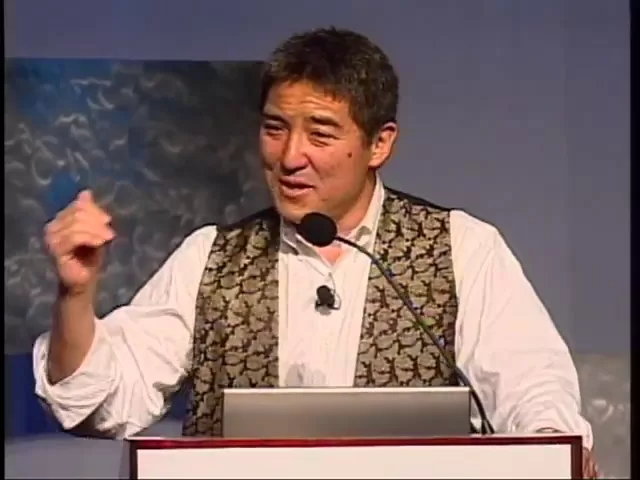


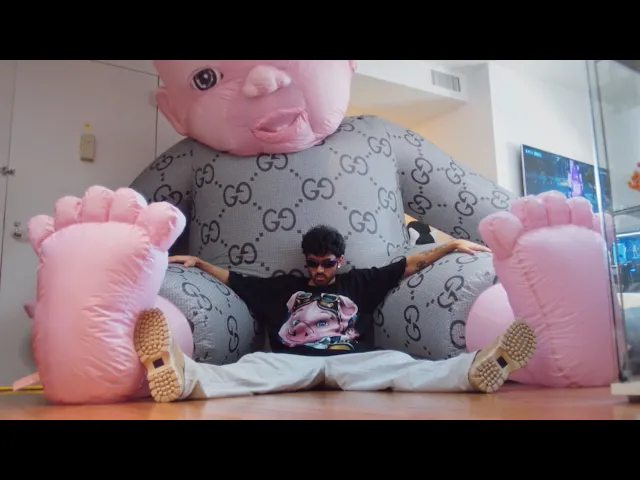

Most of us have been virtually invited into the world that Niklas built through Sub.Global. Their method of designing and architecting a client's brand identity and evoked emotions is exactly why I love design.
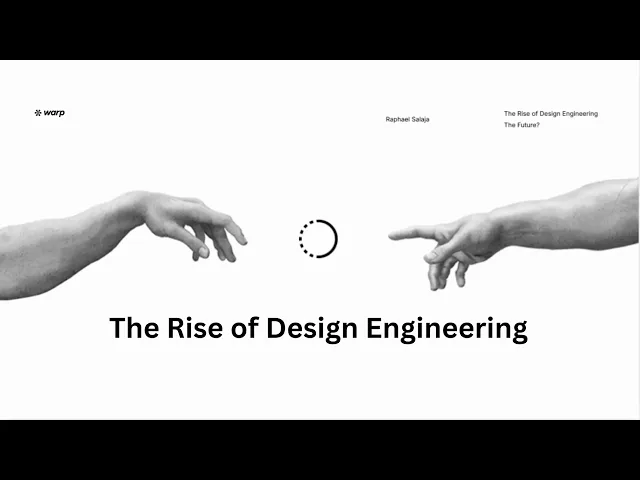
Raphael Salaja* perfectly describes the issues technology companies face. To an extent, both engineers and designers feel displaced by AI technology. Salaja says the next breed of designers and engineers must develop taste.
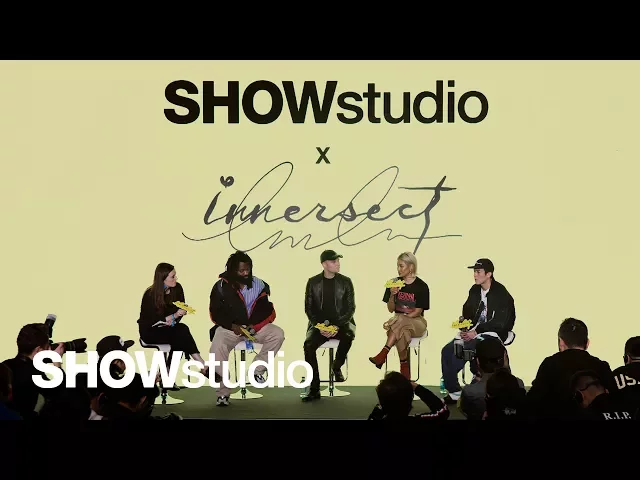
All parties in this video bring up good points and examples of collaboration within the fashion industry. Too often, industry leaders mistake themselves for isolated artists— a mindset that is detrimental when attempting to build a community.
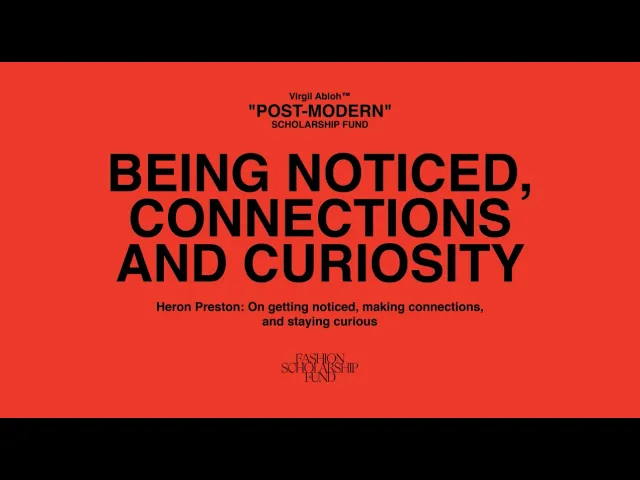
Heron Preston was the first to pull back the curtain on the engineering behind the fashion industry. His work represents the best consumer-facing application of material science and packaging engineering. Another video
These three, despite some public opinion, are immensely confident in everything they do. That level of confidence is perfectly balanced with respect and reverence for the generations both older and younger than them.
He talks extensively about how he built a distinct visual identity and how that informs the way he designs his life. I enjoy his take on "trying"—the idea that a successful career isn't about doing everything right, but about trying, failing, learning, and repeating.
Imran Potato, alongside Raf Simons, Vivienne Westwood, and Walter Van Beirendonck, capture youthful energy in distinct ways. I admire Imran specifically because he proved it is possible to build a career in design and fashion as a brown Muslim from New York.
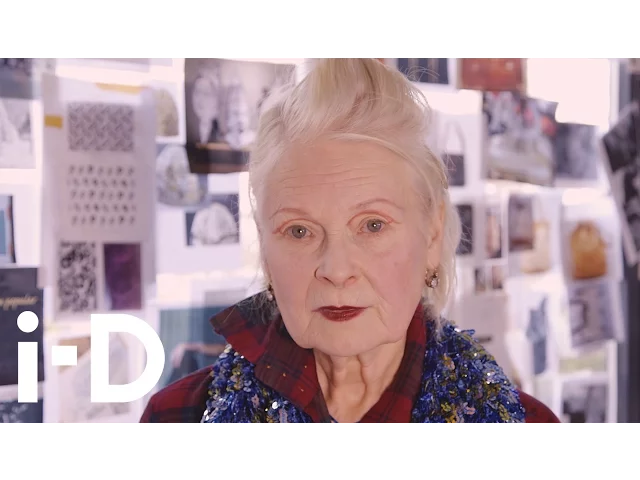
Vivienne Westwood showed me how the execution of design is irrelevant if the idea isn't impactful. Her transition from the "Sex" and "Seditionaries" boutiques in London to high fashion demonstrates how protest and political voice evolve to create more "noise."
Thom Browne's idea of uniformity is ironically unique. His developed visual language for suiting is continually mutilated and transformed. Browne has designed his lifestyle and used that to inform his practice.
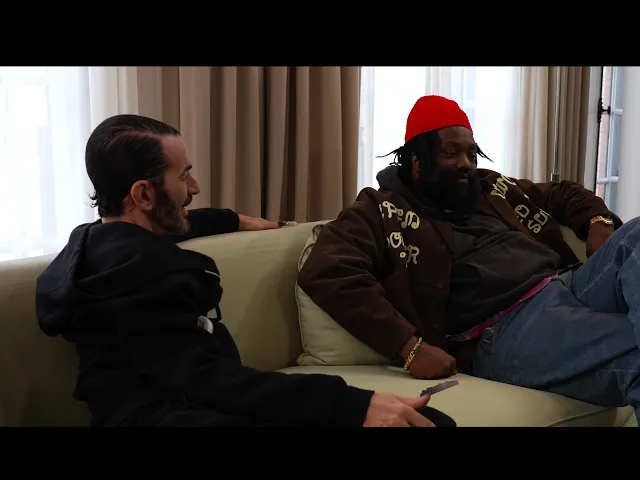
Marc Jacobs offers a great perspective on how genuine passion and curiosity lead to creativity and connection. I also admire Tremaine Emory and Marc Jacobs for their sponge-like filtering of inspiration—a clear reflection of Andy Warhol's philosophy.
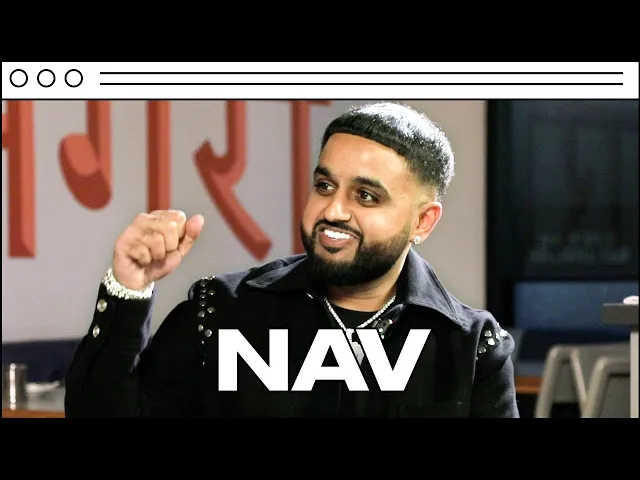
Just like Arshan in this video, I had a gut reaction to finding out Nav was Punjabi. There is something deeply inspiring about seeing South Asian kids becoming successful in creative careers—it’s the reason I look up to Nav, Imran, and Arshan.

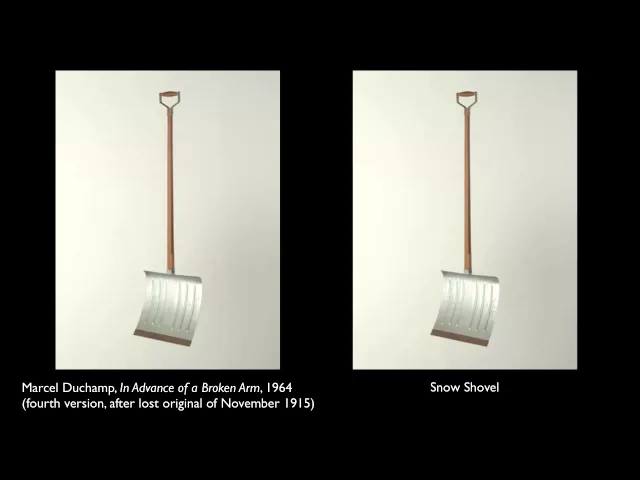
I first learned of Duchamp through an art history class. Later, he resurfaced in a Virgil Abloh lecture, where Abloh credited Duchamp for validating the use of existing intellectual property within his own work. Duchamp taught me to question traditional concepts of discipline and to push across the boundaries of tradition.